Diving Equipment: A Hands-On Craft Fair Review
As a seasoned embroidery designer who spends more weekends than I care to count hunched over a machine or standing behind a craft fair booth, I’ve learned to size up a machine embroidery design within minutes. When I first opened the Diving Equipment embroidery file, I was immediately intrigued by its potential for the upcoming summer and beach market season. The description promises a cute addition to sports projects, and for a beach-themed category, it hits a sweet spot between niche hobbyist and universal summer fun. Let me walk you through my real-world review of this design, from the technical stitch-out to the craft fair product display.
First Impressions: Is It Cute Enough to Sell?
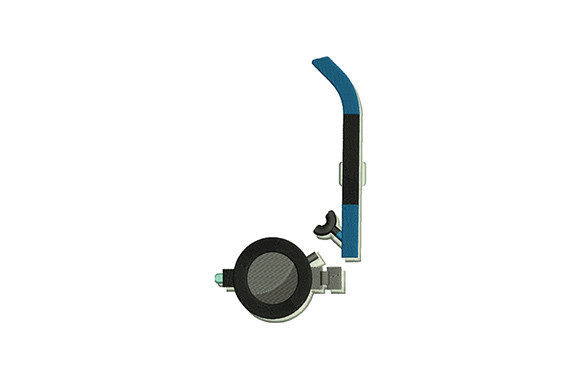
The Diving Equipment design avoids being overly technical or cluttered. Instead, it leans into a charming, approachable aesthetic. This isn’t a hyper-realistic scuba schematic; it’s a stylized, cute representation of diving essentials—think snorkel, mask, and fins. This is a smart move for a handmade product. Why? Because it broadens the target market. An Etsy seller or small shop product creator can use this design for more than just hardcore divers. It works beautifully for vacationers, beach lovers, dads, kids, and anyone who loves the ocean.
The thread colors, presumably bright teals, corals, and sunny yellows, make it pop. It has that “vacation state of mind” feel that sells well at summer beach town craft fairs. It feels modern, fun, and slightly whimsical. My first thought was, “This would look fantastic on a stack of beach totes.”
How Diving Equipment Performs on Products
I tested this design across several product categories that are staples for any craft fair product lineup. Here is how it performed on different surfaces.
Tote Bag Design and Market Bags
This is where the Diving Equipment design truly shines. As a tote bag design, it commands attention. The size is perfect for a beach bag or a gift for a dive instructor. I hooped a sturdy canvas tote, and the design stitched out cleanly. The stitch density was well-balanced, meaning the fabric didn’t pucker. For a craft fair seller, this is a high-value item. You can easily charge $25 to $35 for a well-made tote with this design. It photographs beautifully for online listings, giving you strong printable mockup potential.
Embroidered Patch and Cap Applications
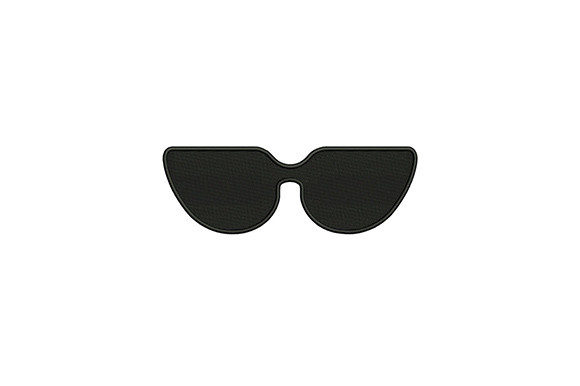
Creating an embroidered patch from this design is a low-risk, high-reward strategy. You can produce a batch of patches and let customers sew or iron them onto their own gear. This is a fantastic handmade product because it caters to the DIY crowd. For caps, the design needs to be scaled down appropriately. The curved surface of a cap can distort the design if the stitch density is too high. I recommend testing on a scrap cap first. The diving mask shape works well on a front cap panel, but ensure the small details don’t get lost in the curve.
Apron Embroidery and Tea Towel Embroidery
Apron embroidery is a natural fit. A cute diving mask and snorkel on a chef’s apron sold at a coastal market is a guaranteed conversation starter. Tea towel embroidery is another staple for any booth. The Diving Equipment design adds a whimsical touch to a kitchen towel, especially if paired with a beach-themed kitchen. However, be careful with high-pile towels. You will need a water-soluble topper to prevent the threads from sinking into the fabric texture.
Pillow Covers and Fabric Pouches
For home decor, this design works well on a throw pillow cover. It adds a premium, resort-like feel. Small fabric pouches or zip pouches are also excellent gift items. The design is versatile enough to function as a focal point on a larger item or a small accent on a pouch.
Practical Production Notes for the Craft Fair Seller
Before you run off and stitch this onto everything, let’s talk about the technical side. As an embroidery file, it is crucial to check the details.
- Hoop Size: Check your hoop size against the design dimensions. Can you fit it comfortably? A larger hoop might be needed for the full tote bag layout.
- Stabilizer: Use a tear-away or cut-away stabilizer depending on the fabric. For a towel, a water-soluble topper is a must. For a cap, a stiff cut-away stabilizer is ideal.
- Thread Colors: The description doesn’t list exact thread colors, but part of your job as a creative entrepreneur is to pick a palette that resonates with your brand. Bright, summery colors will sell better than muted tones for this particular design.
- Test Sew: Test sew on a scrap fabric first. This is non-negotiable. You need to see how the design handles pull and push, especially if you are using a dense stitch area.
Careful-Use Notes and Potential Pitfalls
No design is perfect for every surface. Here are a few watch-outs for the Diving Equipment design:
- Dense Stitch Areas: If the mask or fins have areas of extremely high density, it can make the fabric pucker. On a lightweight t-shirt, this is a disaster. Consider using a heavier cut-away stabilizer or reducing the stitch count.
- Small Details: If the design includes a tiny snorkel tip or buckle, these details might get lost in the wash or on a bumpy fabric texture. This is a common issue with many machine embroidery designs. Ensure the details are large enough to survive wear and tear.
- Dark Fabric: If you are stitching a dark blue mask on a dark fabric, it will disappear. Ensure you have enough contrast. The design relies on clarity and shape.
- Thick Fabrics: On thick, textured fabrics like fleece or heavy terry, the design may lose some of its crispness. A dense stitch area works best on stable, medium-weight fabrics.
- Commercial Licensing: Before you sew a single item for sale, confirm the commercial licensing of the digital embroidery file. You are a commercial embroidery business, and you need the legal right to sell the finished products. This is a common oversight for new Etsy sellers.
Maximizing Visual Appeal and Booth Value
Your booth display is everything. A digital embroidery file is just a bunch of zeros and ones until you give it life. I recommend creating at least one large, high-quality sample. A large tote bag with the Diving Equipment design front and center acts as a beacon. Use printable mockups for your Etsy listings. Show the design on a variety of products: a bag, a towel, a t-shirt. This helps the customer visualize the end product. Your design assets should include clean, well-lit photos of the finished product.
Brand consistency matters. If you sell a lot of beach-themed items, this design fits perfectly into your Beach category. Embroidery that feels cohesive sells better. I would pair this design with other ocean icons, like starfish or sailboats, to create a collection. This encourages repeat customers.
Final Verdict for the Handmade Market
So, is the Diving Equipment design a winner for your next craft fair? In my opinion, yes—with a few caveats. It is a targeted design. It won’t sell to everyone, but for the right customer (beach lovers, divers, vacationers), it is an instant hook. It performs best on tote bags, patches, and t-shirts. It is a solid handmade product that feels premium when stitched correctly. It adds value to a simple item.
The key to success with this design is presentation and quality. A well-stitched, perfectly placed design on a quality tote bag can command a high price. A rushed, puckered stitch-out on a cheap t-shirt will lower your brand’s perceived value. As a digital embroidery file, it offers good versatility. Treat it as a core piece of your beach-themed design assets. Create a printable mockup, test your stabilizer choices, and watch your customers be drawn to the clean, cute lines of this Diving Equipment design at your next show. It is a definite go for my summer production line.