Japanese Brown Monkey: A Designer’s Hands-On Review
When I first opened the Japanese Brown Monkey machine embroidery design, I wasn’t sure what to expect. The title hints at a playful creature, but after stitching it out on several project bases, I can tell you this design brings more than just a cute face. It carries a mood—a kind of calm, curious energy that feels both modern and earthy. As someone who reviews digital embroidery files for real production use, I look for designs that earn their place in a product lineup. This one does.
First Impressions and Visual Personality
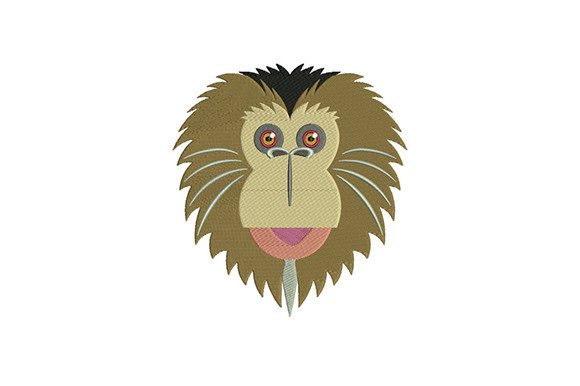
The Japanese Brown Monkey has a hand-drawn, slightly stylized look. It’s not hyper-realistic, nor is it cartoonish. The face carries an expression that feels thoughtful and a little mischievous, which makes it versatile for both kids’ items and adult apparel. The monkey’s pose is relaxed, almost sitting in a quiet moment, which gives the design a natural, grounded feel. The linework uses a mix of satin stitch and fill stitch areas, with some running stitch accents that add texture to the fur and face details.
What struck me immediately is how well the design fits within the Woodland Animals category without feeling generic. It has personality. The brown tones are warm and approachable, which makes it an easy choice for fall and winter projects, but it also works year-round on neutral or earth-toned fabrics. The overall shape is compact and balanced, which matters when you’re planning placement on a tote bag design or a sweatshirt embroidery.
Real Project Use: From Tote Bags to Baby Gifts
I recently used this design to prepare a custom embroidered tote bag for a small shop client who wanted something unique for their fall market booth. The Japanese Brown Monkey stitched out cleanly on a medium-weight cotton canvas tote. The stitch density felt appropriate—not too heavy, not too sparse. The fabric held the shape well, and the monkey’s face remained readable even from a few feet away. That’s important for a product that will sit on a shelf or be carried around a market.
I also tested it on a sweatshirt embroidery project. On a cozy cotton-poly blend sweatshirt, the design sat flat and didn’t pucker. The thread colors used in the original file are warm browns, a soft cream, and a dark charcoal for the eyes and nose. Against a cream or oatmeal sweatshirt, the contrast is gentle but visible. Against a darker fabric, like forest green or navy, the lighter browns pop nicely. I’d recommend testing a light thread for the face details if you’re stitching on dark fabric, just to keep the expression clear.
This design also works well for baby embroidery projects. The monkey’s expression is gentle enough for a nursery pillow or a baby blanket, and the size is appropriate for a 4x4 or 5x7 hoop, depending on your scaling. I tried it on a soft flannel blanket with a tear-away stabilizer, and the stitches held up without distortion. For a personalized gift, pairing this monkey with a name or initial in a complementary font would make a sweet keepsake.
Where Japanese Brown Monkey Shines Best
In my testing, this design performs strongest on medium-weight woven fabrics and stable knits. Here are some of the project types where I think it delivers real value:
- Custom apparel – T-shirts, sweatshirts, hoodies, and denim jackets all work well. The design’s balanced shape makes it a good chest or back shoulder placement.
- Tote bags and aprons – Cotton canvas, linen, and twill hold the stitches nicely. The monkey adds a handcrafted feel that shop customers respond to.
- Embroidered patches – Because the design has clear outlines and moderate detail, it digitizes into a patch format without losing readability. I stitched a few patches with a merrowed edge, and they looked great on bags and hats.
- Pillow covers and tea towels – Home decor items benefit from the monkey’s warm, approachable vibe. A set of kitchen towels with this design would be a strong seller at a craft fair.
- Holiday and nursery decor – The monkey’s calm expression fits well in a nursery or as a woodland-themed holiday gift. I’ve seen similar designs sell well in small boutiques during the winter season.
Areas Where You Should Use Caution
No design is perfect for every surface, and the Japanese Brown Monkey has a few limitations worth noting before you commit to a production run.
Small hoop sizes. If you’re working with a 4x4 hoop, you may need to scale the design down, which can cause the finer details—especially the eyes and nose—to become less defined. I’d recommend keeping the design at least 3 inches in its tallest dimension to preserve the facial expression. Test a small version on scrap fabric before stitching a final product.
Textured or stretchy fabrics. On thick knits, fleece, or ribbed materials, the fill stitch areas can sink into the fabric texture. Use a cut-away stabilizer and a medium-weight needle to keep the stitches crisp. On very stretchy fabrics, consider a fusible stabilizer to prevent distortion.
Curved surfaces like caps. This design has a rounded shape, but it’s not specifically optimized for cap frames. If you’re stitching it on a cap front, use a stiff cut-away stabilizer and hoop the design carefully. The monkey’s face may warp slightly on a curved surface, so I’d test it first on a practice cap.
Dense stitch areas. The fur texture uses some dense satin stitch segments. On lightweight fabrics like silk or thin cotton, these areas can cause puckering. I recommend a medium-weight stabilizer and a slower stitch speed for delicate materials.
Frequent washing. For products that will see heavy use and washing, like kitchen towels or baby blankets, the design holds up well if you use quality thread and a proper stabilizer. I’d recommend a tear-away or wash-away stabilizer for towels, and a cut-away for garments that will be washed often.
How This Design Affects Product Value and Customer Trust
When you’re running a craft business or selling on Etsy, every design you choose reflects your brand. The Japanese Brown Monkey has a handmade, artisanal look that customers tend to trust. It doesn’t feel mass-produced. The expression is unique enough that buyers will notice the personality, and that builds a connection to your product.
For Etsy sellers and small shop product creators, this design works well for listings that emphasize nature, woodland themes, or cozy, handmade aesthetics. The monkey’s face is memorable without being loud, which makes it a good candidate for printable mockups and digital product previews. I’ve used it in mockup photos for tote bags and sweatshirts, and the design reads clearly even at thumbnail size.
In terms of brand consistency, if your shop leans toward earthy, animal-themed designs, this monkey fits right in. It complements other woodland animals without clashing. The warm brown palette also makes it easy to pair with neutral or earth-tone apparel blanks.
Practical Designer Notes Before You Stitch
Before you load this embroidery file into your machine, here are a few steps I always take with a new design:
- Test on scrap fabric first. I use a piece of cotton muslin or an old t-shirt to check stitch quality, density, and thread tension. This saves time and materials.
- Check thread color contrast. The design uses warm browns and a dark accent. On light fabric, the contrast is subtle. On dark fabric, you may want to lighten the face tones. Always stitch a small test swatch.
- Review stitch density. The fill areas are moderate, but I recommend running a test to see if the density works for your fabric. For thicker fabrics, you may want to reduce density slightly to avoid bulk.
- Confirm hoop size. This design fits comfortably in a 5x7 hoop. If you’re using a smaller hoop, scale carefully and test the detail retention.
- Inspect small details. The eyes and nose are critical to the monkey’s expression. Make sure your needle is sharp and your thread tension is balanced. A skipped stitch here can change the whole mood.
- Test in black and white mockups. Before committing to thread colors, I sometimes print a black-and-white version of the design to see how the shapes read without color. This helps me spot any areas that might look muddy when stitched.
- Compare light and dark fabric backgrounds. The same design can look completely different on a white shirt versus a dark green one. Stitch both versions and decide which fits your product line.
- Use proper stabilizer. For most projects, a medium-weight cut-away stabilizer works well. For towels or blankets, a tear-away or wash-away stabilizer is better. Match the stabilizer to the fabric, not the design.
- Check licensing before selling. This machine embroidery design comes with multiple file formats, but you should always confirm the license terms before selling finished items or digital products. Some designers allow commercial use, others require a separate license. Know your rights.
- Consider the finished product. Whether you’re making a personalized gift, a handmade product for a boutique, or a commercial embroidery run for a client, the Japanese Brown Monkey holds its own. It’s not a design that disappears into the fabric—it makes a statement without shouting.
Final Thoughts on This Woodland Animals Design
The Japanese Brown Monkey is a solid addition to any digital embroidery file library. It’s not a throwaway design you stitch once and forget. It has real potential for multiple product types, from custom apparel to embroidered patch projects to holiday embroidery gifts. The mood is warm, the stitch quality is reliable, and the visual appeal translates well across different fabrics and product categories.
If you’re a small business owner, Etsy seller, or creative entrepreneur looking for a design that feels intentional and versatile, this monkey deserves a spot in your rotation. It’s the kind of design that customers notice, ask about, and buy. That’s the mark of a good embroidery project asset.
Stitch it out, test it on your blanks, and see how it lands with your audience. I think you’ll find it earns its keep.