Smiling Fox: A Woodland Embroidery Design for Craft Fair Success
Every craft fair seller knows the feeling of scanning a booth and wondering which designs will actually move product. As an embroidery designer who has spent years behind the machine and the market table, I have learned to evaluate a digital embroidery file with a critical eye: will it catch a customer's gaze, stitch out cleanly, and justify the time and materials invested? When I first looked at the Smiling Fox machine embroidery design, I saw immediate potential for the handmade market. Let me walk through what works, what needs attention, and how to turn this Woodland Animals embroidery into a reliable seller for your next craft fair product lineup.
First Impression: Friendly and Approachable
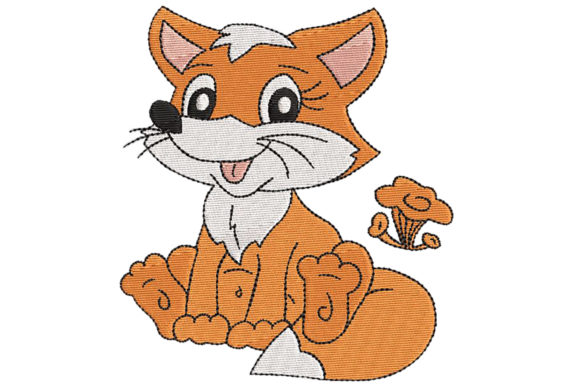
The Smiling Fox design delivers exactly what its name promises. The expression is warm and inviting, without being overly cartoonish or childish. That balance matters for a craft fair product because it broadens the audience. A design that is too cute may only appeal to young children, while something too rustic might miss the playful gift-buyer. This embroidery file sits in a sweet spot: it feels cute but also modern and decorative enough for adults to appreciate. The woodland theme is popular right now, and the smiling face gives it a soft and friendly character that works well across age groups. For a booth display, this design reads as approachable and cheerful, which is exactly the kind of energy that draws people in from the aisle.
How Smiling Fox Performs Across Product Types
Part of evaluating a machine embroidery design is imagining it on the actual products you will bring to market. Here is how Smiling Fox performs on the most common craft fair items:
Tote Bags and Market Bags
This is where Smiling Fox truly shines. A tote bag design benefits from a central, friendly motif that catches the eye from a few feet away. The fox's face fills the space nicely without overwhelming the bag. I recommend placing it at chest height on a standard canvas tote. The design feels bold enough to stand out on a busy table but not so large that it dominates the bag's shape. Customers walking past your booth will notice the smile before they even read the details, and that instant recognition is gold for handmade product sales.
Aprons and Tea Towels
For apron embroidery, the Smiling Fox works well as a chest or pocket accent. The friendly face adds a playful touch to kitchen and garden aprons without feeling out of place. On tea towel embroidery, the design can be scaled down slightly to fit the narrower fabric. However, be cautious about stitch density on towels. Thick, textured towels may hide small details, so test the embroidery file on your specific fabric before committing to a batch. I recommend a medium-weight tea towel with a smooth weave for the best clarity.
Embroidered Patches
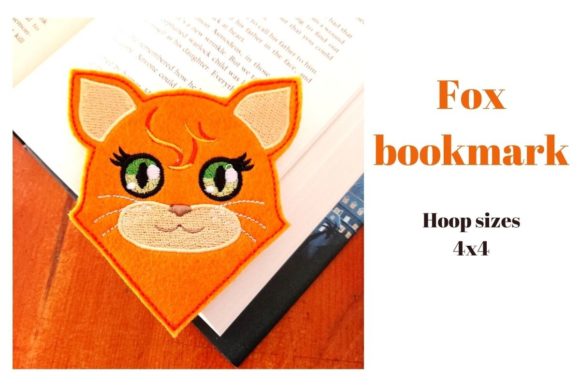
Patches are a low-cost, high-margin item at craft fairs, and Smiling Fox makes an excellent embroidered patch. The design is self-contained and has a clear focal point, which translates well to a patch format. Customers can sew or iron it onto jackets, backpacks, or denim. This gives you a product that appeals to the DIY crowd and adds a second sale opportunity. I suggest stitching a few patches on twill tape and displaying them in a small basket near your main product table.
Pillow Covers and Pouches
For home decor, Smiling Fox works beautifully on pillow covers. A small accent pillow with this design feels decorative and premium without being too specific to a single room. It fits the Woodland Animals theme and can be bundled with other woodland designs for a cohesive set. On fabric pouches and small zip bags, the fox becomes a charming detail that makes the item feel giftable and special. These are perfect for handmade gifts and often sell well in multiples.
Caps and Hats
Caps are tricky for any design assets because the curved surface can distort the image. Smiling Fox has a round, centered face that works better on caps than many other designs, but you should still test the hoop size and placement carefully. I recommend using a cap frame and keeping the design within the front panel. Avoid scaling it too large, as the curve may pull the stitching out of shape. For a cap, smaller is often better.
Practical Selling Points at the Craft Fair Table
When setting up your booth, the Smiling Fox design offers several advantages that directly affect sales:
- Instant readability: The fox's face is clear and recognizable from a distance. Customers walking by will understand the design in under two seconds, which is critical for grabbing attention in a crowded market.
- Versatile size range: This design works as a small accent (say, 3 to 4 inches) or a larger focal point (6 to 7 inches). That flexibility means you can produce multiple product types from a single embroidery file, reducing your per-design investment.
- Photogenic for online listings: If you also sell on Etsy or your own site, Smiling Fox photographs well. The friendly expression and clear outlines make it easy to capture in a printable mockup or real product photo. This helps your Etsy seller listings stand out in search results.
- Batch production friendly: Once you have the design dialed in, you can repeat it across multiple products without rethinking placement or thread changes. That repeatability is essential for a small shop product line where you need to produce enough inventory for a weekend show.
Careful-Use Notes: What to Watch For
No design is perfect straight out of the file. Here are the specific areas where Smiling Fox requires attention:
Stitch Density and Small Details
The stitch density in the fox's face and ears needs to be checked on your machine. Dense stitching can cause puckering on lightweight fabrics like children's pajamas or bedsheets. If the file has heavy fill areas, consider using a stabilizer rated for dense designs. A tear-away stabilizer may not be enough; a cut-away stabilizer often gives better results for designs with high stitch counts. Always test on a scrap of your final fabric.
Thread Colors and Contrast
The thread colors in Smiling Fox should be reviewed against your fabric. If the design uses warm orange and brown tones, it will pop on light or neutral backgrounds but may disappear on dark fabric. For dark fabric, consider using a white or light-colored underlay to keep the fox visible. Contrast is your friend at a craft fair, where booths compete for attention. A design that blends into the bag is a design that does not sell.
Small Lettering or Fine Details
If the embroidery file includes any fine lines or small elements, test them at the size you plan to stitch. Tiny details may lose clarity, especially on textured surfaces like towels or caps. If the fox's smile or eyes are very small, they may become muddled. I recommend a minimum size of 3 inches for the full design to keep the face readable.
Fabric Texture and Hoop Size
Thick fabrics, such as heavy canvas for tote bags or textured towels, require a larger hoop size and a stronger stabilizer. The Smiling Fox design should be hooped securely to avoid shifting during stitching. For commercial embroidery production, you may want to invest in a magnetic hoop or adhesive stabilizer for challenging fabrics. Check the fabric texture before you stitch a full batch.
Visual Appeal and Customer Engagement
The Smiling Fox design has a natural warmth that invites interaction. In my experience, customers at craft fairs are drawn to designs that make them smile. This fox does that. It feels funny in a gentle way, not trying too hard. When you display it on a tote bag or apron, people will pick it up, turn it over, and comment on the expression. That engagement is the first step to a sale. The design also fits a brand consistency strategy if you are building a woodland-themed product line. Paired with other woodland animals, it creates a cohesive booth display that looks intentional and professional.
For booth display strength, place the Smiling Fox items at eye level on your table or wall grid. Use a few sample products, like a tote bag and a pillow cover, to show the design's versatility. A printable mockup on a sign or card can also help customers visualize the design on other items you may not have in stock. This upsell tactic works well for digital sellers who also offer the embroidery file as a digital product.
Practical Embroidery Designer Notes Before Production
Before you stitch a single item for your craft fair, take these steps:
- Test on scrap fabric. Use the same fabric type you plan to sell. This reveals any issues with stitch density, thread tension, or design distortion.
- Check thread contrast. Hold your thread colors against the fabric in natural light. If the fox blends in, choose a lighter or darker thread set.
- Review spacing and placement. Mark the center of your product and measure the distance from edges. A design that is too high or too low can look unprofessional.
- Confirm hoop size. Make sure the Smiling Fox fits within your hoop without crowding the edges. Allow at least half an inch of clearance.
- Inspect stitch density. Run a test stitch and check for puckering, skipped stitches, or thread breaks. Adjust stabilizer or speed as needed.
- Use the right stabilizer. For towels use a medium-weight cut-away. For caps use a stiff cut-away. For tote bags use a heavy tear-away or cut-away depending on the fabric.
- Create at least one real mockup. Photograph the finished product for your Etsy seller listings and social media. Real photos sell better than digital mockups.
- Compare fabric colors. If you offer multiple bag colors, test the design on each one. The fox may look different on navy than on cream.
- Confirm commercial licensing. Before selling finished products, check the license terms of the digital embroidery file. Some designers allow commercial use, others require a separate license. Do not assume you are covered.
Final Thoughts on Smiling Fox for Your Handmade Business
Smiling Fox is a strong addition to any craft fair product line. It is friendly, versatile, and easy to produce in batch quantities. The design works across tote bags, aprons, towels, patches, pouches, and pillow covers, giving you multiple product options from a single embroidery file. Its clear expression and woodland theme appeal to a broad customer base, from parents buying for children to adults looking for a cheerful gift. With proper testing and attention to stabilizer, thread contrast, and stitch density, this design can become a reliable seller that customers remember and return for. Add it to your booth, watch the smiles, and let the fox do the selling.