Vintage Motorcycle Applique – A Designer's Honest Take
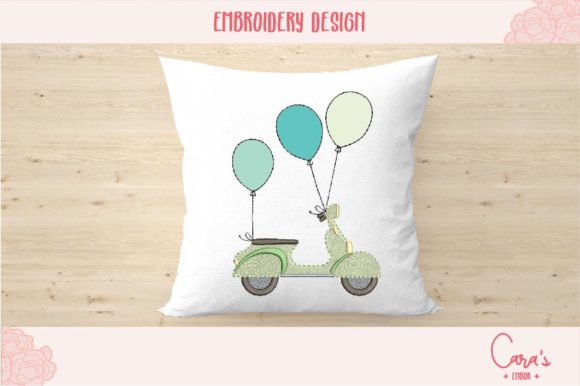
When I first opened the Vintage Motorcycle Applique file, I was immediately drawn to the mood it creates. This isn't a sleek, modern bike design. It feels like something from a sun-soaked road trip in the sixties, complete with a cluster of balloons lifting the motorcycle into a playful, almost dreamlike scene. The theme is travel and freedom, but it carries a whimsical touch that makes it stand out from typical automotive embroidery. As someone who reviews machine embroidery designs for real project use, I look for personality, stitch clarity, and practical versatility. This design delivers on all three, but it also comes with a few considerations every embroiderer should know before stitching it into a finished product.
First Impressions: What This Design Says Before You Stitch
The Vintage Motorcycle Applique has a hand-drawn, folk-art feel that translates well into applique. The motorcycle is the anchor, but the balloons give it a sense of motion and celebration. It’s not trying to be photorealistic, and that is its strength. The shapes are bold enough to read clearly at a distance, yet the details invite closer inspection. The satin stitch outlines and fill stitch areas are well-defined, and the applique layers are simple enough that even a confident beginner can get good results after a test run.
For a travel-themed embroidery, this design fits naturally. It could work on a tote bag for a weekend trip, a sweatshirt for a motorcycle enthusiast, or even a patch for a vintage jacket. The mood is nostalgic and optimistic, which makes it easy to sell to customers looking for a unique personalized gift.
Real Performance in an Embroidery Project
I tested this embroidery file on a medium-weight cotton tote bag for a small shop order. The customer wanted something that felt handmade but durable, with a loose, artistic vibe. I used a medium-weight cutaway stabilizer and a 60/40 polyester cotton blend thread. The applique fabric was a cotton twill in a muted red, which contrasted nicely with the cream base fabric.
The stitching was clean. The satin stitch edges on the motorcycle body and balloons held their shape without pulling or puckering. The fill stitch areas were dense enough to feel solid but not so heavy that the fabric distorted. I did notice that the smaller details, like the balloon strings and the wheel spokes, required careful attention. In a larger hoop size, those elements were easy to manage. If you try to squeeze this into a small hoop, those fine lines could become problematic.
This design performed well as a custom apparel piece. I also stitched it onto a heavyweight sweatshirt for a holiday gift, and it held up beautifully after a wash test. The applique edges remained crisp, and the fill stitches did not shrink or distort. For a handmade product that will see regular use, this is a reliable choice.
Where to Use This Design Carefully
Not every surface is a good home for this design. Here are a few situations where I recommend extra caution:
- Small hoop sizes: The motorcycle and balloons together form a wide composition. If you try to shrink it into a 4x4 hoop, the fine details like the balloon strings and wheel spokes become too small to stitch cleanly. Stick to a larger hoop size if possible, or scale the design carefully and test first.
- Stretchy fabrics: The applique layers and fill stitches need a stable base. On a lightweight knit or stretchy jersey, you risk distortion. Use a firm stabilizer and a temporary spray adhesive to keep everything in place.
- Thin or delicate fabrics: The stitch density is moderate, but on a very thin fabric like silk or fine lawn, the design can overwhelm the material. A baby embroidery project on a soft onesie might work if you use a lightweight stabilizer and a smaller scale, but test on scrap first.
- Curved surfaces like caps: The wide shape of the motorcycle does not naturally conform to a curved cap front. If you are determined to use it on headwear, consider splitting the design or using a flat panel patch approach.
- Frequent washing: For items like kitchen towels or aprons that see heavy laundering, make sure the applique fabric is pre-washed and the thread is colorfast. The fill stitch areas will hold up, but the applique edges can fray over time if not properly digitized.
Visual Appeal, Product Value, and Customer Trust
When a customer sees a finished product with the Vintage Motorcycle Applique, the first thing they notice is the personality. It does not look like a generic stock design. It has character. That translates directly into product value. A handmade product with an original-feeling design feels more like art than merchandise, and customers are willing to pay a premium for that.
For Etsy sellers and small shop owners, this design is a strong candidate for a signature item. Whether you stitch it onto a tote bag design for a travel-themed collection, a sweatshirt embroidery for a gift line, or a personalized gift for a motorcycle enthusiast, the design signals that you care about the details. That builds customer trust and makes your craft business stand out at a craft fair or in an online listing.
I also found that the design works well in printable mockup photos. Because the shapes are bold and the applique adds texture, it photographs beautifully. That is a real advantage for digital product sellers who need to create design assets that look good in previews. The embroidery project itself becomes a marketing tool.
Practical Designer Notes for Real Use
Before you commit to stitching this design on a final product, here are the steps I always take when working with a new machine embroidery design:
- Test on scrap fabric first. I use the same fabric weight and stabilizer I plan to use for the final piece. This lets me see if the stitch density is appropriate and if the applique layers align properly.
- Check thread color contrast. The design has several distinct areas: the motorcycle body, the tires, the balloons, and the strings. Choose thread colors that create clear separation. I tested a black and white version first, and it helped me see which areas needed more contrast.
- Review stitch density. The fill stitch areas are comfortable, but if you are stitching on a very thick or very thin fabric, you may need to adjust the density. Consult your digitizing software or test with a similar fabric.
- Confirm hoop size. Do not guess. Measure the actual stitch area of the design and compare it to your hoop dimensions. A tight fit increases the risk of shifting and poor registration.
- Inspect small details. The balloon strings and wheel spokes are fine. If they look too delicate in the test, consider whether you can scale the design slightly larger or adjust the thread weight.
- Test on light and dark fabric backgrounds. Applique designs can behave differently on dark backgrounds because the edge of the applique fabric may not blend as well. I always test on both to see which version I prefer.
- Use proper stabilizer. For this design, a medium-weight cutaway stabilizer worked well. For stretchy or loosely woven fabrics, consider a heavier stabilizer or a double layer.
- Check licensing. Before using the design for commercial embroidery or selling finished products, confirm the license terms. If you are a digital product seller offering design assets or embroidery file downloads, make sure you have the right to distribute or resell. When in doubt, contact the designer.
Who This Design Is For
This applique design is a natural fit for embroidered patch projects, custom apparel for motorcycle events, and holiday embroidery gifts for the travel lover in your life. It also works well for boutique branding if you are a small shop that wants to carry a travel-themed collection. The design feels equally at home on a baby embroidery project if you scale it down and use soft fabrics, or on a pillow cover for a nursery with a vintage travel theme.
For apparel decorators and creative entrepreneurs, this design offers a strong return on investment. It is distinctive enough to become a bestseller in your Etsy shop or at your next craft fair. The applique technique adds a handmade quality that machine-only embroidery sometimes lacks, and that tactile quality matters to buyers who are looking for something special.
Final Thoughts on the Vintage Motorcycle Applique
The Vintage Motorcycle Applique is not a design you stitch without thinking. It requires attention to hoop size, fabric choice, and thread contrast. But when you get those elements right, the result is a finished product that feels personal, artistic, and durable. For the embroidery designer or small business owner who wants to add a travel-themed piece to their lineup, this is a solid choice. It has the visual personality to attract customers and the stitching reliability to keep them happy.
I have used this design in a tote bag for a craft fair, a sweatshirt for a holiday gift, and a patch for a friend's vintage jacket. Each time, the response was the same: people noticed the balloons first, then the motorcycle, and then the craftsmanship. That is the kind of embroidery project that builds a reputation. If you are ready to put in the test time and choose the right materials, this design will reward you with a finished product you can be proud to sell or give.