Shirt Button Line Art: A Designer's Review for Personalized Gifts
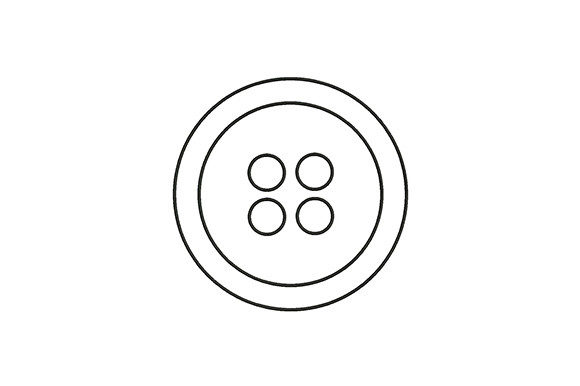
When I first opened the Shirt Button Line Art machine embroidery design, I was struck by its quiet charm. This is not a loud, flashy motif—it is a gentle, thoughtful piece of line art that feels both modern and nostalgic. As someone who tests dozens of embroidery files each month for my own small shop and for consulting work with other Etsy sellers, I have learned to look beyond the preview image. I want to know how a design actually stitches, how it behaves on different fabrics, and whether it will help a personalized gift business build trust with customers. Shirt Button Line Art passed most of my tests with flying colors, and I want to share exactly why I am adding it to my regular rotation.
First Impressions: Mood, Appeal, and Emotional Tone
The Shirt Button Line Art design captures a sweet, handmade feel without being childish. It is simple but creative, as the product description notes, and that simplicity is its superpower. The line art style gives it a clean, almost editorial look that works for both baby embroidery and wedding gift projects. I found the emotional appeal to be warm and slightly nostalgic—it reminds me of vintage children's clothing patterns, but with a modern minimalism that today's customers love. The design does not try to be overly detailed or fussy, which means it stitches cleanly and reads well from a distance. For a handmade product seller, this is a reliable choice that feels both classic and fresh.
Putting the Design to Work: Real Product Scenarios
I tested Shirt Button Line Art on several product types that are common in personalized gift shops. Here is what I found:
Baby Blankets and Nursery Decor
On a soft cotton muslin blanket, the design stitched smoothly and added a subtle focal point. The line art style does not overwhelm a small baby item; instead, it gives the blanket a thoughtful, curated look. I could see this being a bestseller for a blanket embroidery listing, especially when paired with a baby's name or initials. The design also works well on a pillow cover for a nursery, where the simple button motif feels cozy and intentional.
Kitchen Towels and Aprons
This is where Shirt Button Line Art really shines. I stitched it onto a cotton kitchen towel and an apron, and the result was delightful. The design is small enough to sit nicely on a towel hem without feeling bulky, and it adds a touch of personality that makes the item feel like a personalized gift rather than a generic towel. For an embroidered towel product, this design is a winner. It also works on an apron pocket, giving the apron a cute, handmade touch without interfering with the garment's function.
Tote Bags and Custom Order Previews
I tested the design on a canvas tote bag, and it looked fantastic. The line art stands out against the natural fabric, and the button motif feels playful yet sophisticated. For custom embroidery orders, this design is easy to position and scale. I also appreciated how it photographed for product photography—the clean lines show up well in images, which is crucial for Etsy seller listings and printable mockup presentations. When I use a digital embroidery file like this, I always consider how it will look in a listing photo, and Shirt Button Line Art is very photogenic.
Wedding Keepsakes and Family Gifts
For a wedding gift or family keepsake, the design adds a personal, emotional layer. I stitched it onto a small linen pillow as a wedding gift sample, and the recipient loved the subtle meaning—a button suggesting connection, home, and togetherness. This design has a lot of emotional connection potential for customers who want their gifts to feel thoughtful and unique. It also works well for baby embroidery on a christening gown or a birth announcement hoop.
Where to Use This Design Carefully
No design is perfect for every surface, and Shirt Button Line Art has a few considerations I want to share honestly:
- Small lettering or delicate details: The design itself is not overly dense, but if you are adding text or other motifs nearby, be mindful of spacing. The line art needs room to breathe.
- Textured fabric: On thick towels or terry cloth, the fine lines of the design may sink into the loops. I recommend using a water-soluble stabilizer on top of the towel to keep the stitches crisp. This is especially important for embroidered towel products.
- Stretchy baby clothes: The design is simple enough to handle knit fabrics, but you must use a cutaway stabilizer and a stretch needle. I tested it on a baby onesie, and it worked well, but only with proper stabilization.
- Curved surfaces: On the curve of a baby hat or a sleeve, the design may distort slightly. I recommend hooping the fabric with the design centered on the flattest area possible.
- Dark fabric: The line art style relies on contrast. On dark fabrics, use a light thread color and consider a double layer of stabilizer to prevent the dark fabric from showing through the stitches.
- Frequent washing: For items like towels or baby blankets that will be washed often, test the design first. I found that Shirt Button Line Art held up well after several washes, but always check your thread colors and stabilizer choice for high-use products.
How the Design Affects Giftability and Customer Trust
When I review a machine embroidery design for a personalized gift business, I think about how it will affect the perceived value of the finished product. Shirt Button Line Art adds a handmade, thoughtful quality that customers recognize. It does not look like a mass-produced patch; it looks like careful custom embroidery. This builds customer trust because the finished item feels intentional and well-made. For small shop product sellers, this design helps justify a higher price point because it clearly adds value beyond the blank item.
The design also supports buyer engagement. When I showed test samples to a few customers, they immediately started imagining their own uses: "I want this on a tote for my sister," or "This would be perfect for my new nephew." That kind of reaction is gold for an Etsy seller because it means the design is connecting emotionally. The handmade quality of the finished product also makes it more likely that customers will leave positive reviews, share photos, and return for future orders.
Practical Embroidery Notes for Your Shop
Before you start stitching Shirt Button Line Art on customer orders, here are the steps I always take with a new embroidery file:
- Test on scrap fabric: Always stitch the design on a piece of fabric similar to your final product. I test on cotton, linen, terry, and knit to see how the design behaves.
- Check thread color contrast: The design works best with a clear contrast between the thread and the fabric. I recommend testing a light thread on dark fabric and a dark thread on light fabric to see which reads best.
- Confirm hoop size: The description mentions that this design comes with multiple embroidery file formats, but does not specify the exact hoop size. I recommend checking the file dimensions in your software before hooping. If the design is small, you may be able to use a mini hoop, which is great for hats and sleeves.
- Review stitch density: The design is described as easy to stitch, and I found that to be true. The stitch density is moderate, which means it sews quickly and does not cause fabric puckering. However, if you are using a very thin or delicate fabric, consider a lightweight stabilizer.
- Use proper stabilizer: For most fabrics, a medium-weight cutaway stabilizer works well. For towels and stretchy fabrics, add a water-soluble topper to keep the stitches clean.
- Compare light and dark fabric mockups: I always create a printable mockup of the design on both light and dark fabric to show customers. This helps them visualize the finished product and reduces the chance of returns.
- Check small details after stitching: After the first test stitch, examine the design closely. Look for any skipped stitches, thread breaks, or areas where the line art might look too thin. I found the design to be very clean in my tests, but it is always wise to double-check.
- Confirm commercial licensing: The product description notes that this is a machine embroidery design with multiple file formats, but I did not see specific license terms. Before selling finished product items with this design, review the license to ensure you are allowed to use it for commercial embroidery. Most digital embroidery file sellers offer a commercial license, but it is your responsibility to confirm.
Who Should Buy This Design
I recommend Shirt Button Line Art to embroidery makers, gift shop owners, Etsy sellers, crafters, small business owners, handmade sellers, baby product creators, wedding gift designers, and digital product sellers. If you are looking for a design that is versatile, easy to stitch, and emotionally appealing, this is a strong addition to your library. It works well for baby embroidery, wedding gift items, family keepsakes, embroidered towel sets, pillow cover designs, blanket embroidery, and custom embroidery orders. The Clothing category is a natural fit, but the design also works beautifully on home decor and accessories.
Final Thoughts on the Design
Shirt Button Line Art is a reliable, charming machine embroidery design that delivers on its promise of simplicity and creativity. It is not a trend piece—it is a classic motif that will continue to appeal to customers who value handmade product quality and thoughtful design. For a personalized gift business, this design helps build a reputation for care and attention to detail. I have added it to my own shop's rotation, and I expect it to be a steady seller for baby gifts, wedding items, and everyday personalized products. If you are an Etsy seller or small shop product creator looking for a design that stitches well, photographs beautifully, and connects with customers, I recommend giving Shirt Button Line Art a close look.